
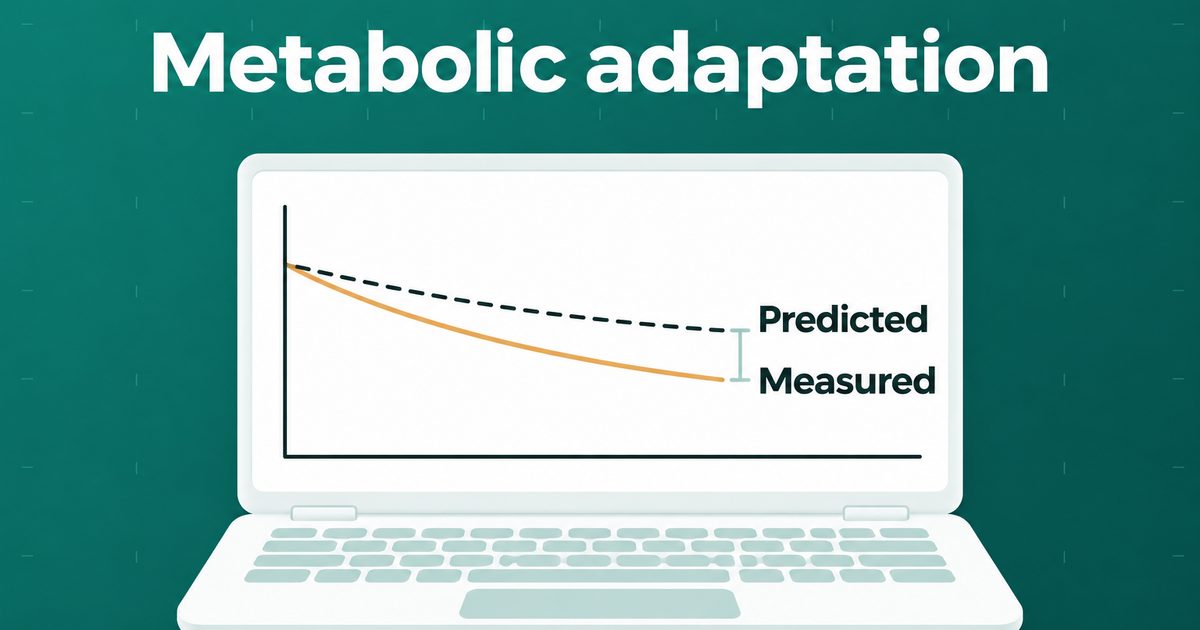
Metabolic adaptation: what studies found
From a 1995 NEJM experiment to The Biggest Loser follow-up: what metabolic adaptation studies measured, and what they cannot tell you.
Plain-English reads on the research behind body measurements. Each post names the papers it draws on, so you can check them. For the calculators and how each formula works, see the guides.
From a 1995 NEJM experiment to The Biggest Loser follow-up: what metabolic adaptation studies measured, and what they cannot tell you.
A body fat scale measures resistance, then guesses fat with an equation you cannot see. What lab comparisons found, scale by scale.
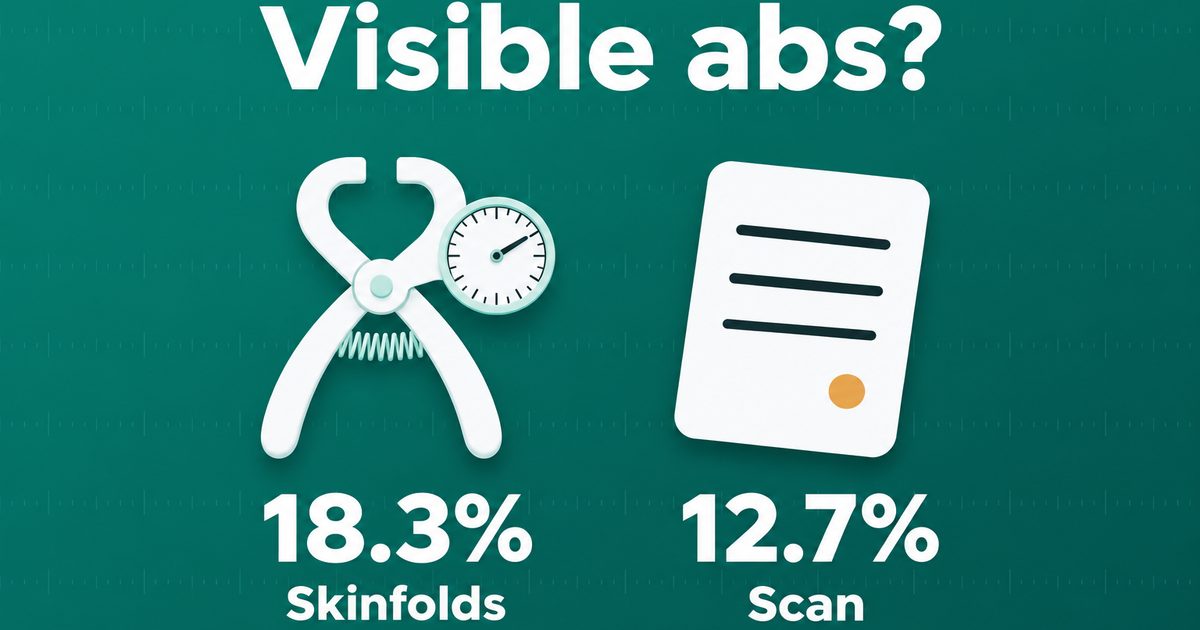
There is no researched abs threshold. Fat placement and the measuring method both move the number, and very low body fat has measured costs.
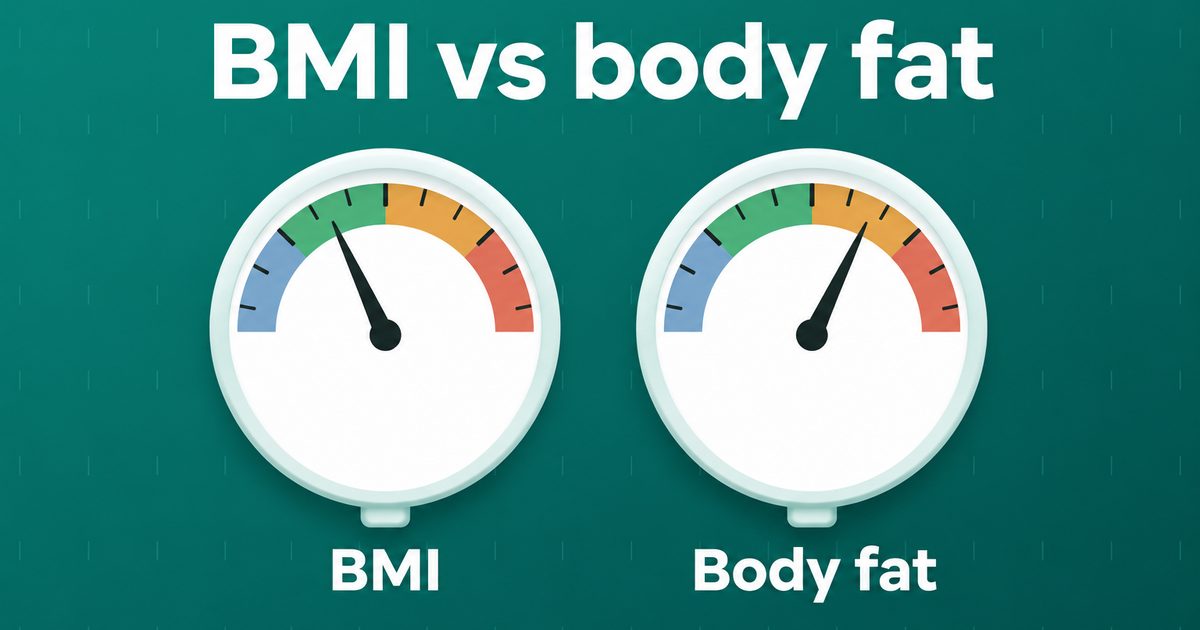
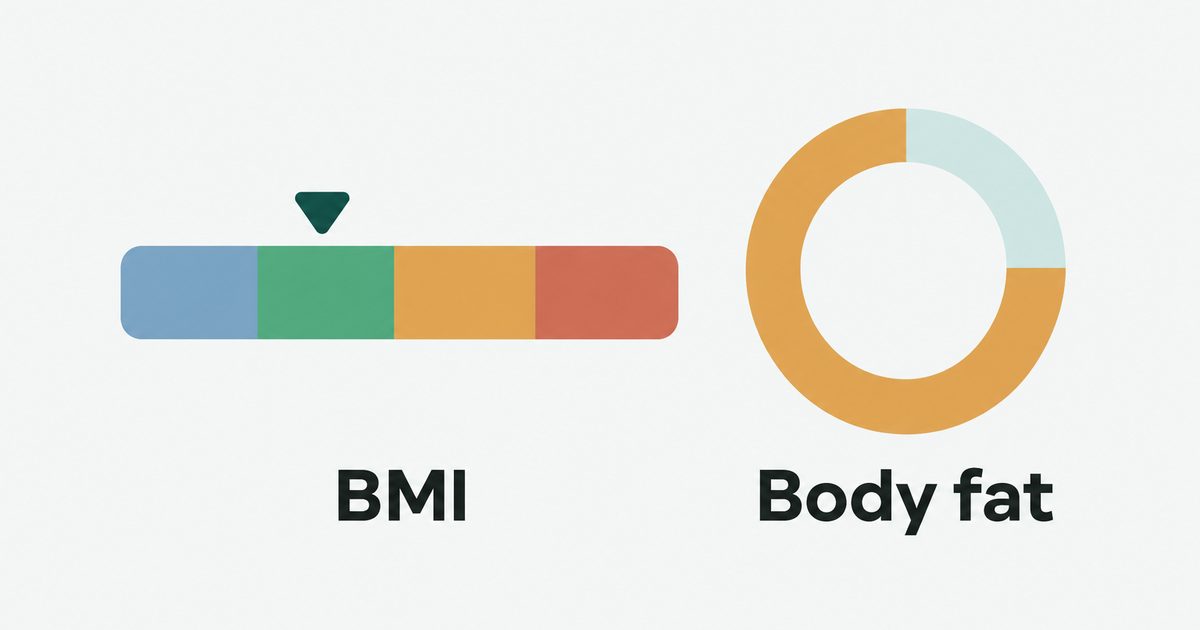
What BMI and body fat percentage each measure, and how often a BMI of 30 or over agrees with body fat measured in a lab.
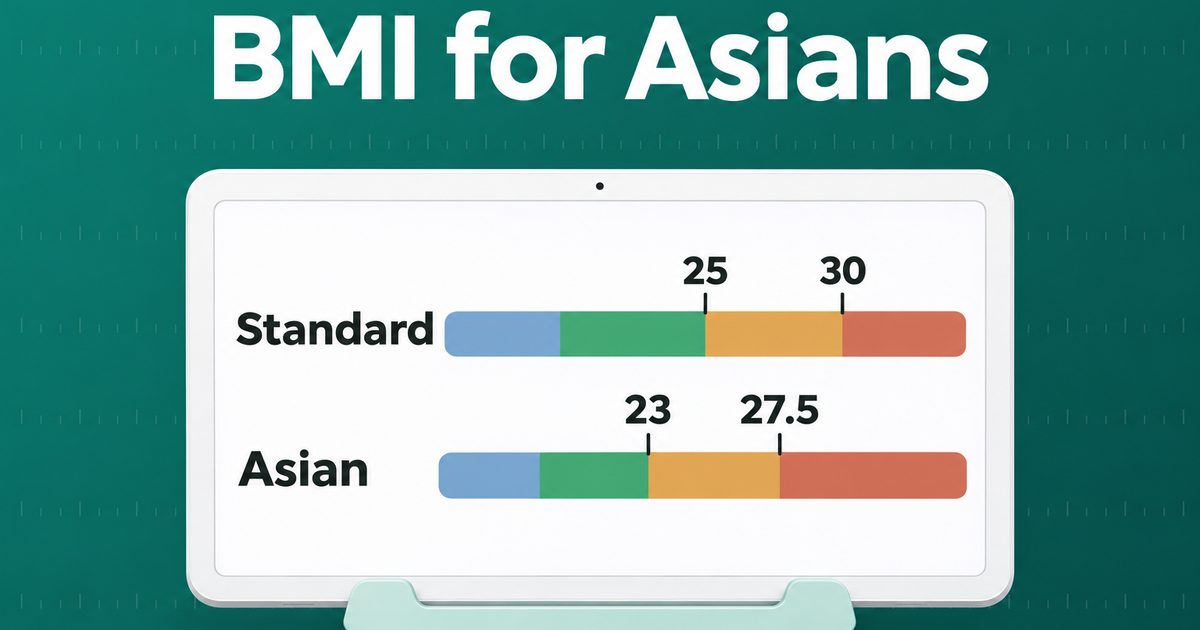
The 2004 WHO consultation behind the 23 and 27.5 BMI numbers: what it weighed, what it proposed, and what it left to each country.
Body water, glycogen and the weekly cycle all move the scale. What the studies measured, and why a trend says more than one weigh-in.
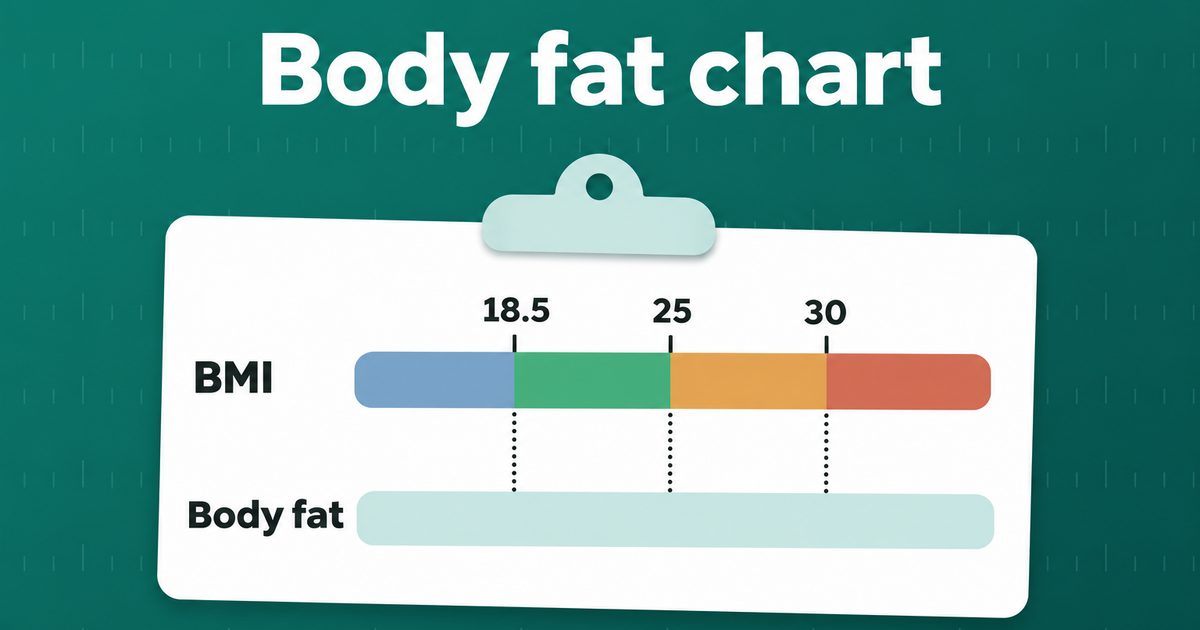
Two popular body fat charts, one 2000 study, and what each one actually rests on, with separate sections for women and for men.
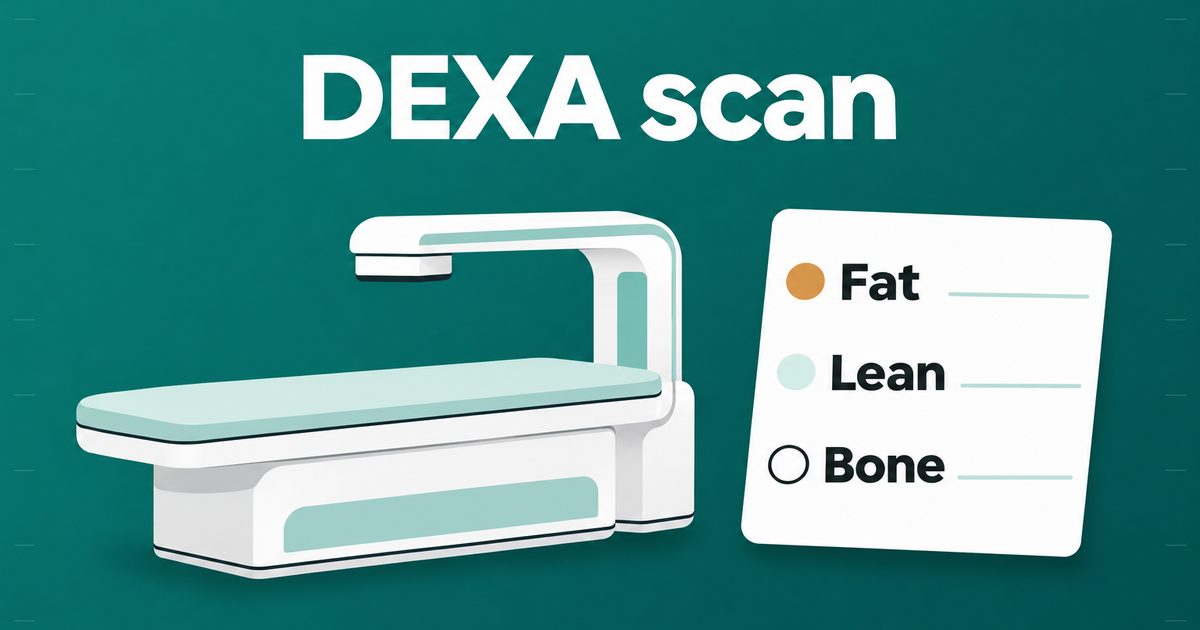
A DEXA scan splits your body into fat, lean tissue and bone, region by region. What it measures, where it drifts, and its dose.
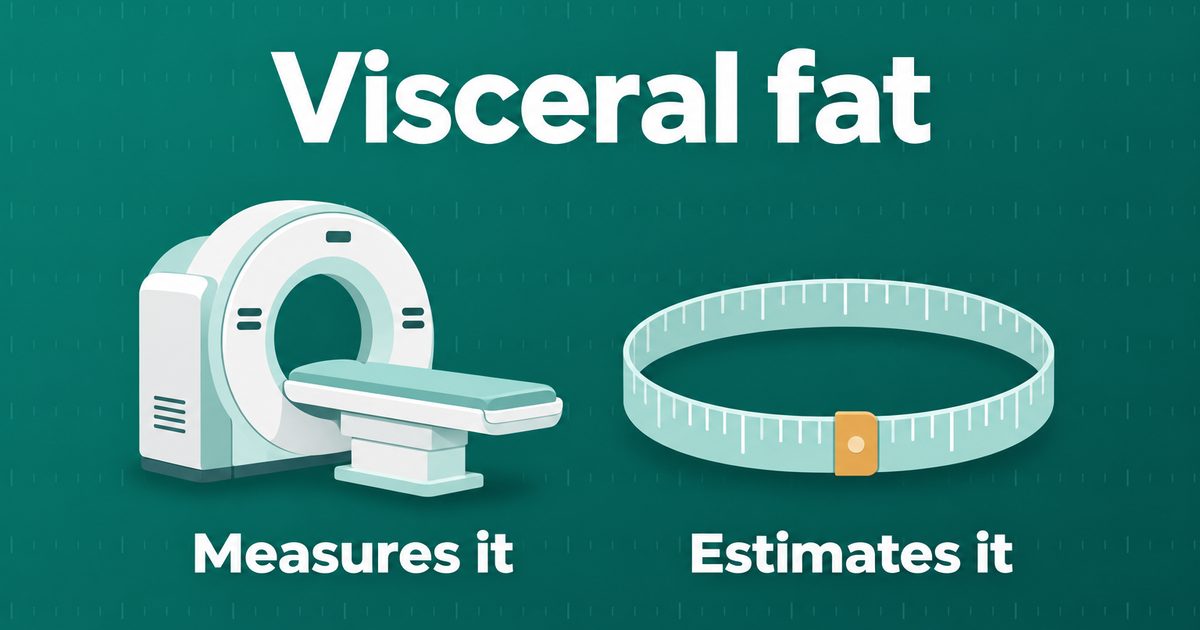
Fat under the skin and fat around the organs are measured differently and carry different risks. What the Framingham CT scans found.
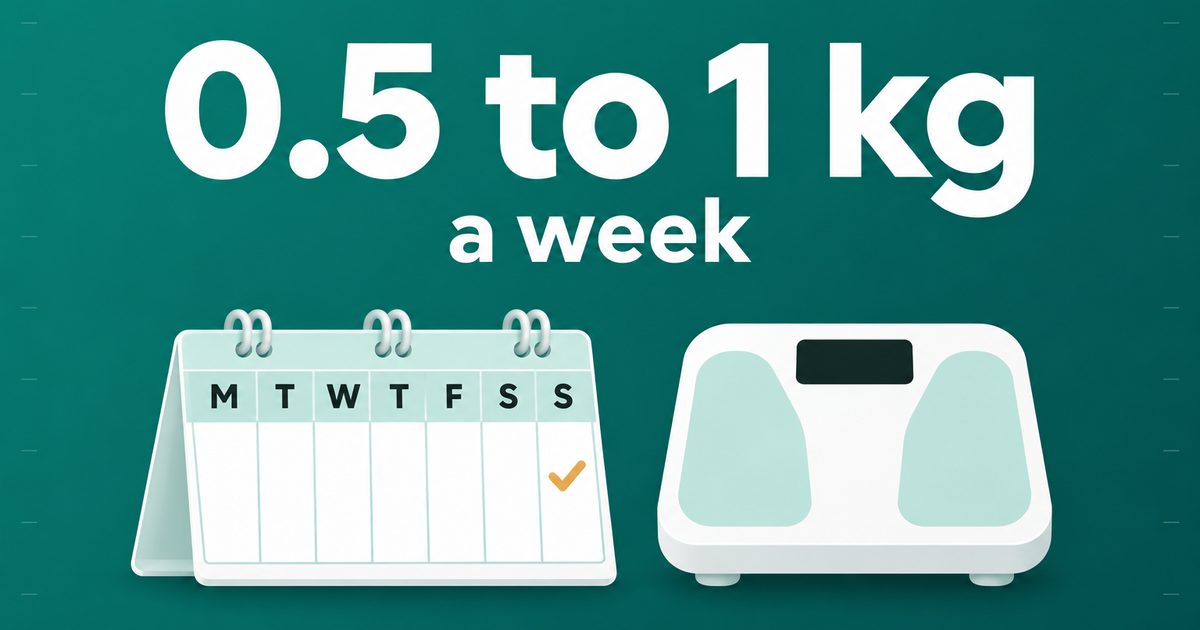
The NHS and CDC both give 1 to 2 pounds a week. Here is where the first-week drop comes from, and why loss slows down later.
Your scale says your body is 38. Where that number comes from, what studies have done with it, and what no one has standardised.
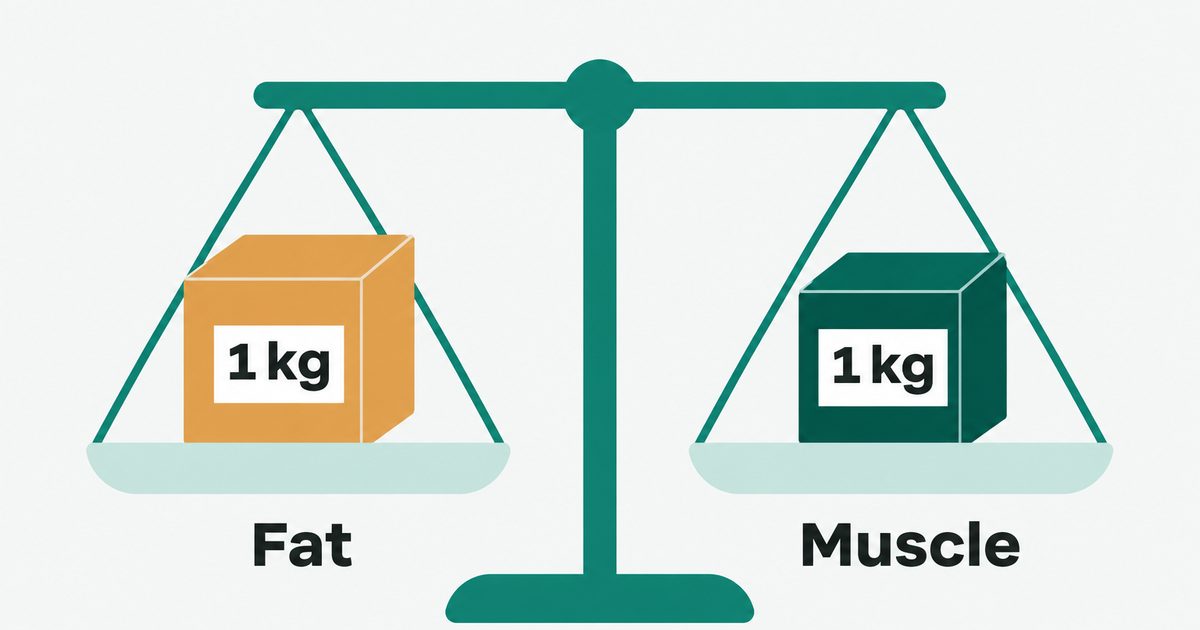
A kilo is a kilo. The real difference is density: the same weight of muscle takes less room than fat. Here are the figures and where they come from.
A normal BMI with a high body fat percentage has a research name. Here is what the 2010 study behind it found, and its limits.
This is not medical advice. Body Numbers is a calculator. It does not diagnose, treat or monitor any condition, and no number it produces should replace a conversation with a doctor or a dietitian. If a result worries you, or if you are pregnant, unwell, or under eighteen, speak to a health professional.
 Scan to install